
Photographing Glacier National Park
Glacier National Park, Montana is a treasure of the Rocky Mountains unapparelled in the lower 48 United States. With Rugged snow capped mountains, glaciers, lakes, and abundant wildlife this national park is a nature photographers playground.
The area now known as Glacier National Park was first inhabited by the Blackfeet on the east side of the park and the Flathead on the west. The Park was established on May 11, 1910 and by 1932 work was completed on the Going-to-the-Sun Road.
The Park encompasses over 16,000 square miles, has more than 130 named lakes, more than 1000 species of plants and hundreds of species of animals. Glacier is a great place to see mountain goats, bighorn sheep, mule deer, black bear, grizzly bear, and many more animals. Nature photographers come from all over the world to see this national park and enjoy the many beauties it has to offer.
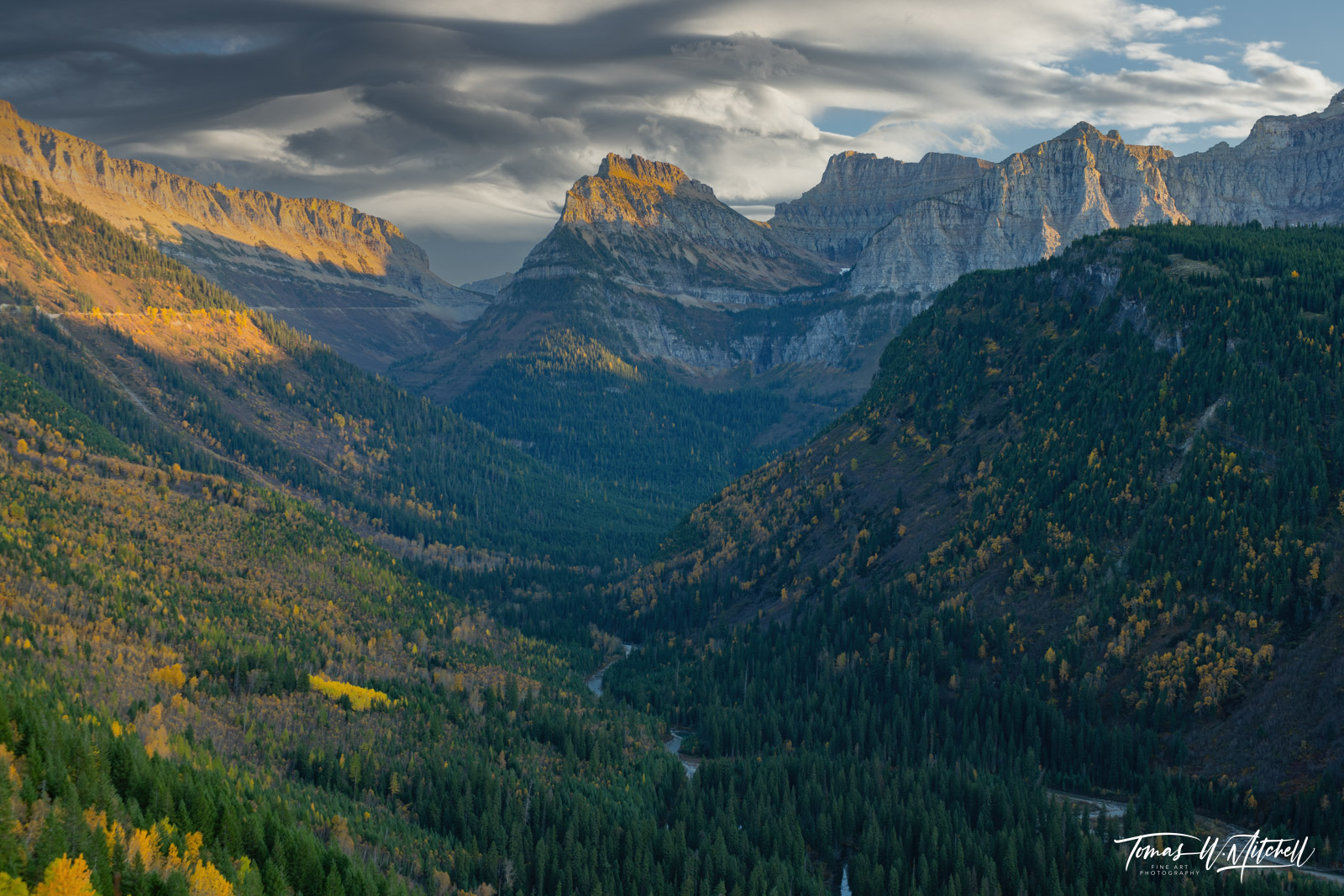
Around 3 million people visit Glacier National Park annually with most visiting in the summer months. Over half of the visitors hike the nearly 700 miles of trails with some of the most popular being Avalanche Lake, Trail of the Cedars, Hidden Lake Overlook, and the Highline Trail. Backcountry camping is available for those who obtain permits and there are many campgrounds available. Be sure to make your reservations in advance to ensure a site.
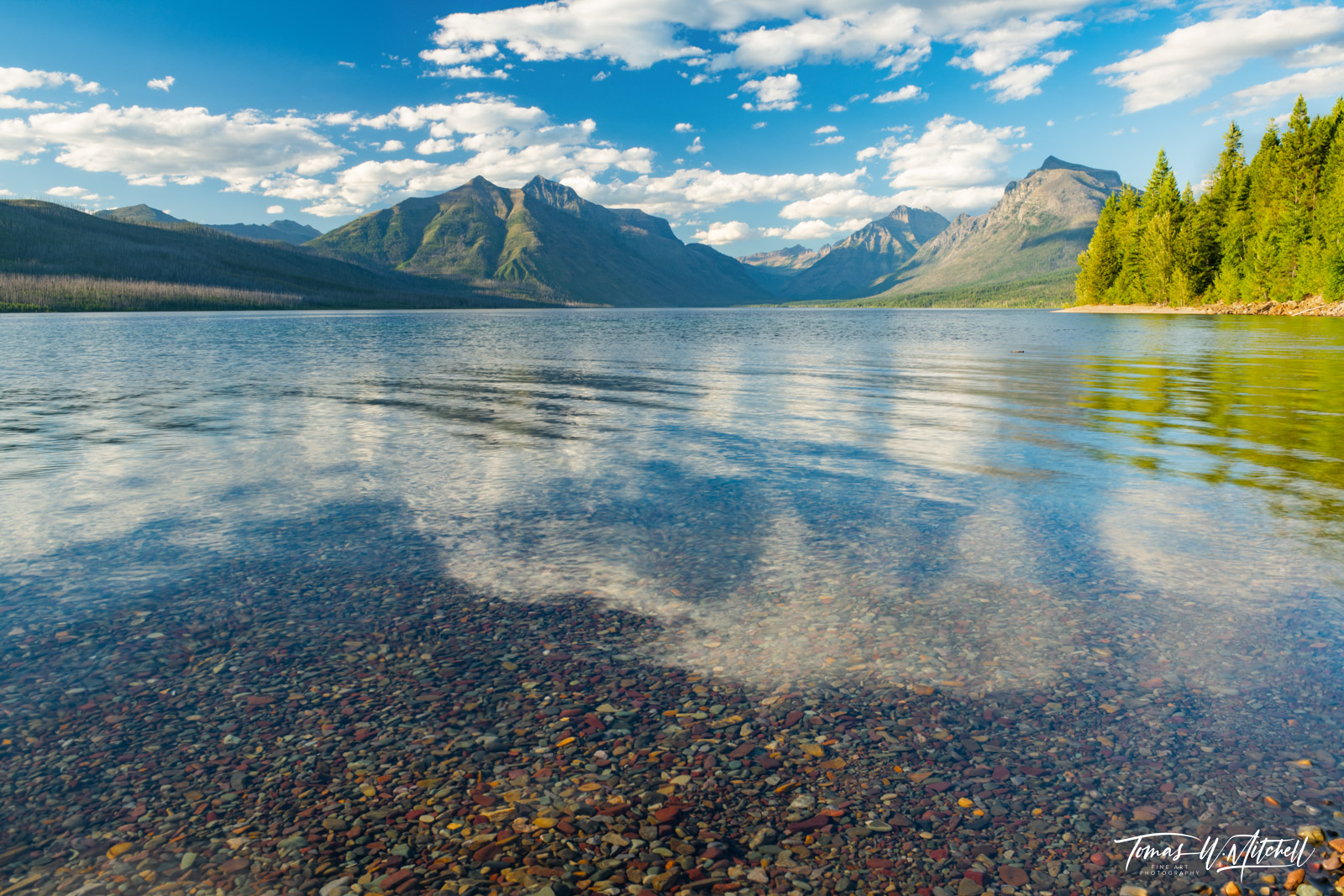
I typically do not visit Glacier in summer because of the crowds but I did visit on July 31, 2024 while I was in Kalispell on business. I am always drawn to Lake McDonald and this evening I went to my favorite spot on the lake. The image below shows the wonder of the Lake with the colorful gravel and towering peaks at the northeast end. Many photographers visit Lake McDonald to find their own perspectives. Make sure to explore and do not be afraid to get your feet wet!
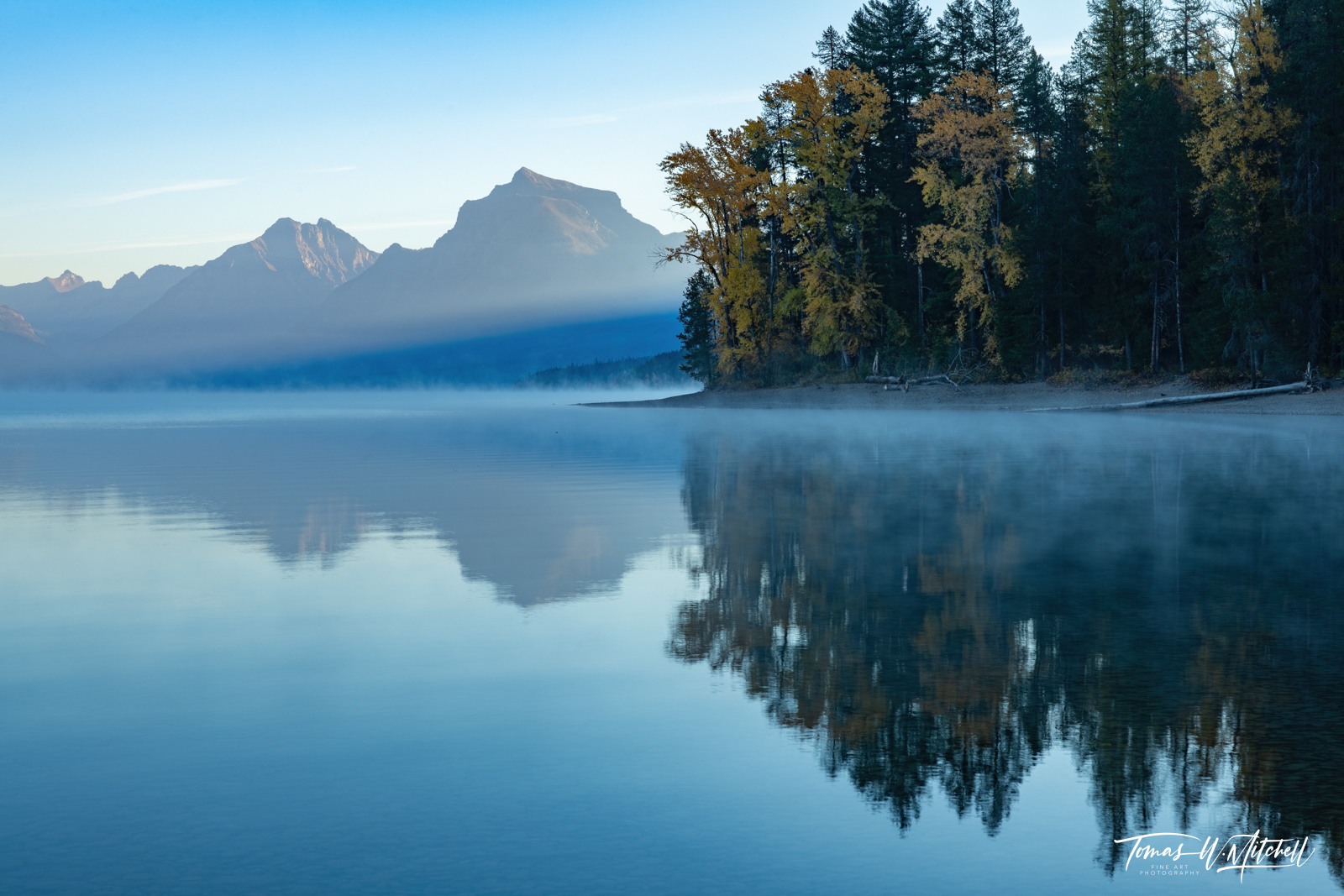
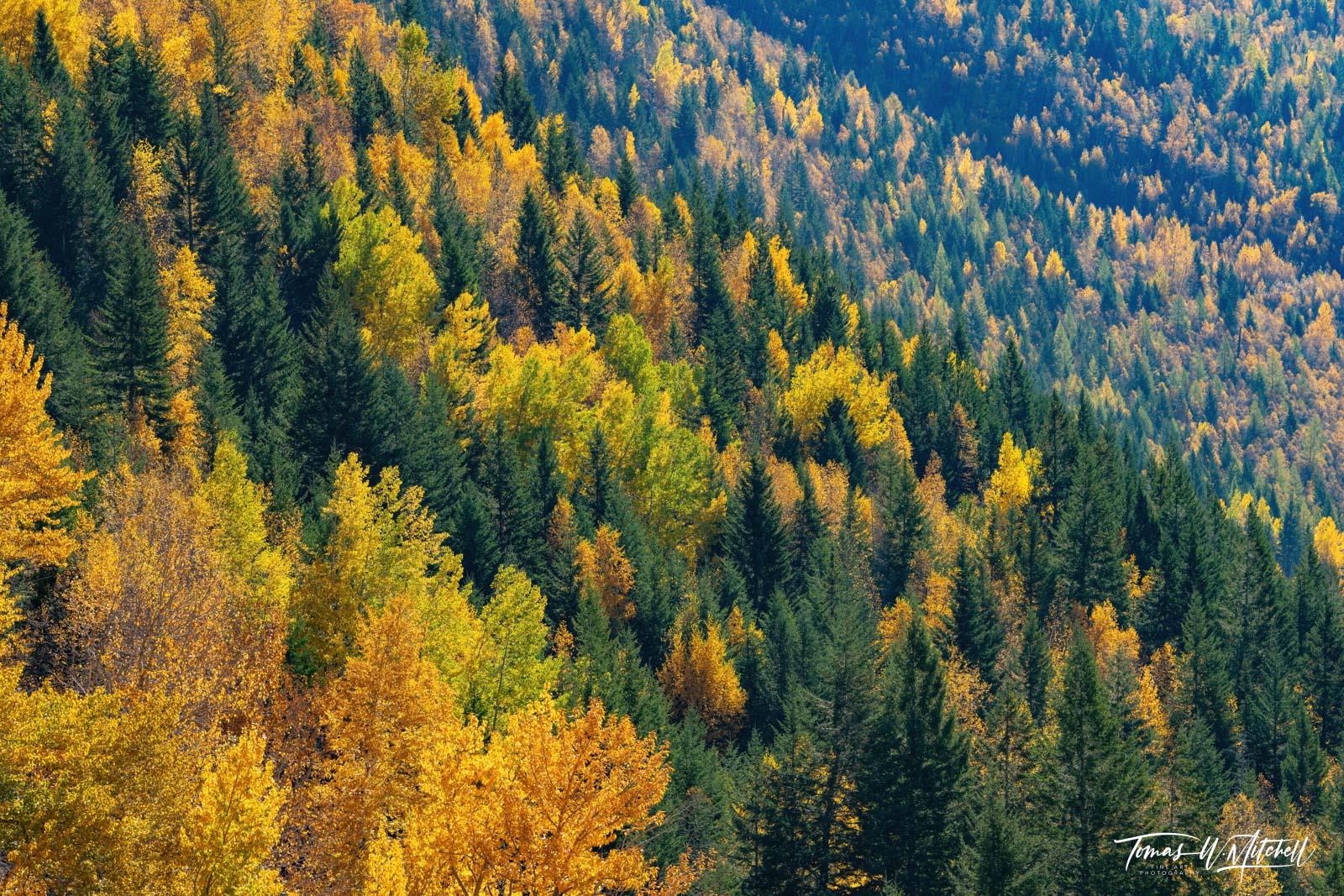
Autumn is my favorite time to visit the Park, the crowds have thinned and the birch trees glow yellow in the fall light. Make sure to wake up early and get in the park well before sunrise. Finding mist on the lakes and the morning light shining on the peaks can make for amazing photography moments.
Here is a video of my last trip in Mid October of 2024.
There are many pullouts on Glacier Route 1 along Lake McDonald, so stop often and get out and explore. Nature and Landscape photography is all about exploring, finding your compositions, and then going back when the light is right. You can not just show up in the middle of the day and expect to get good photographs.
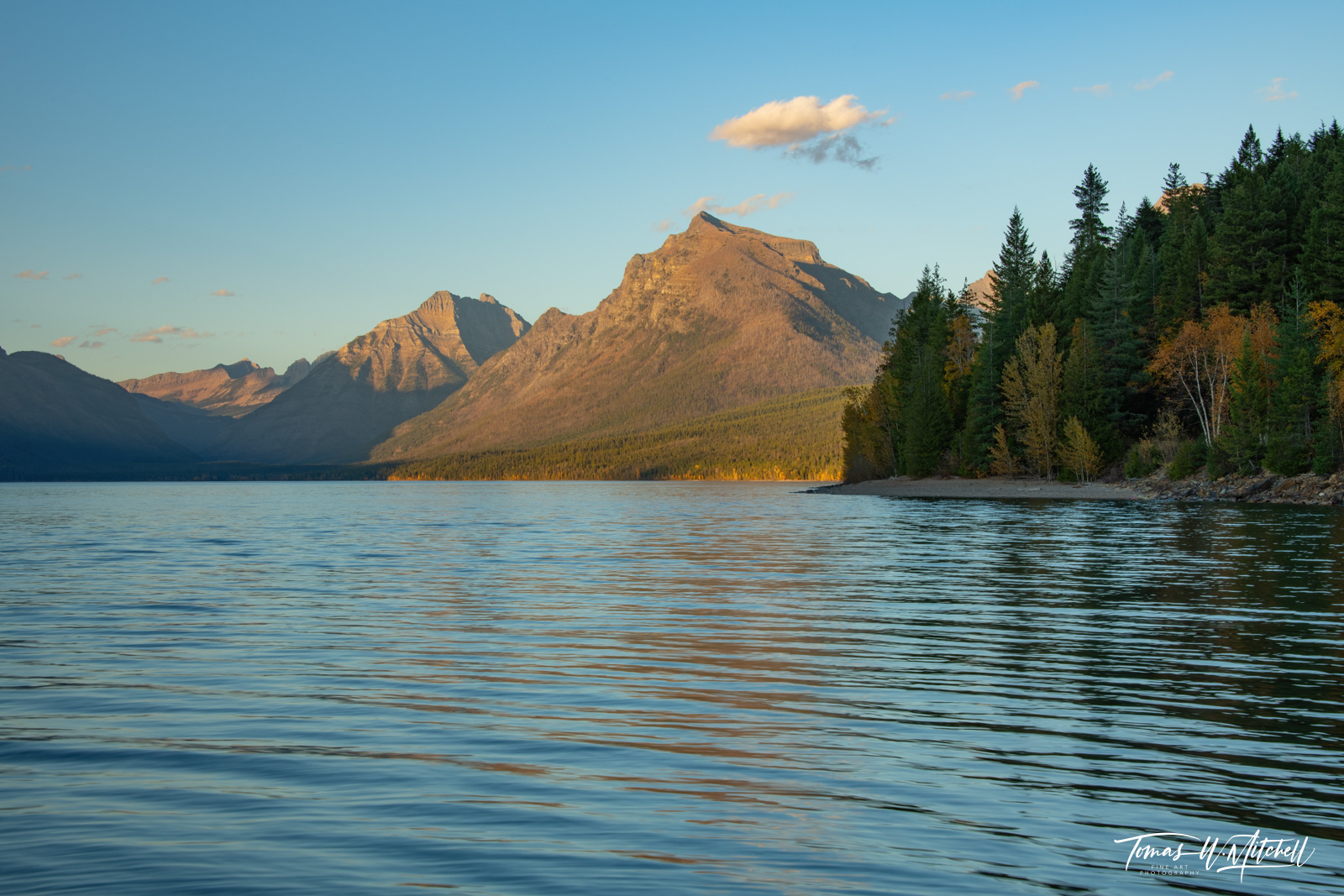
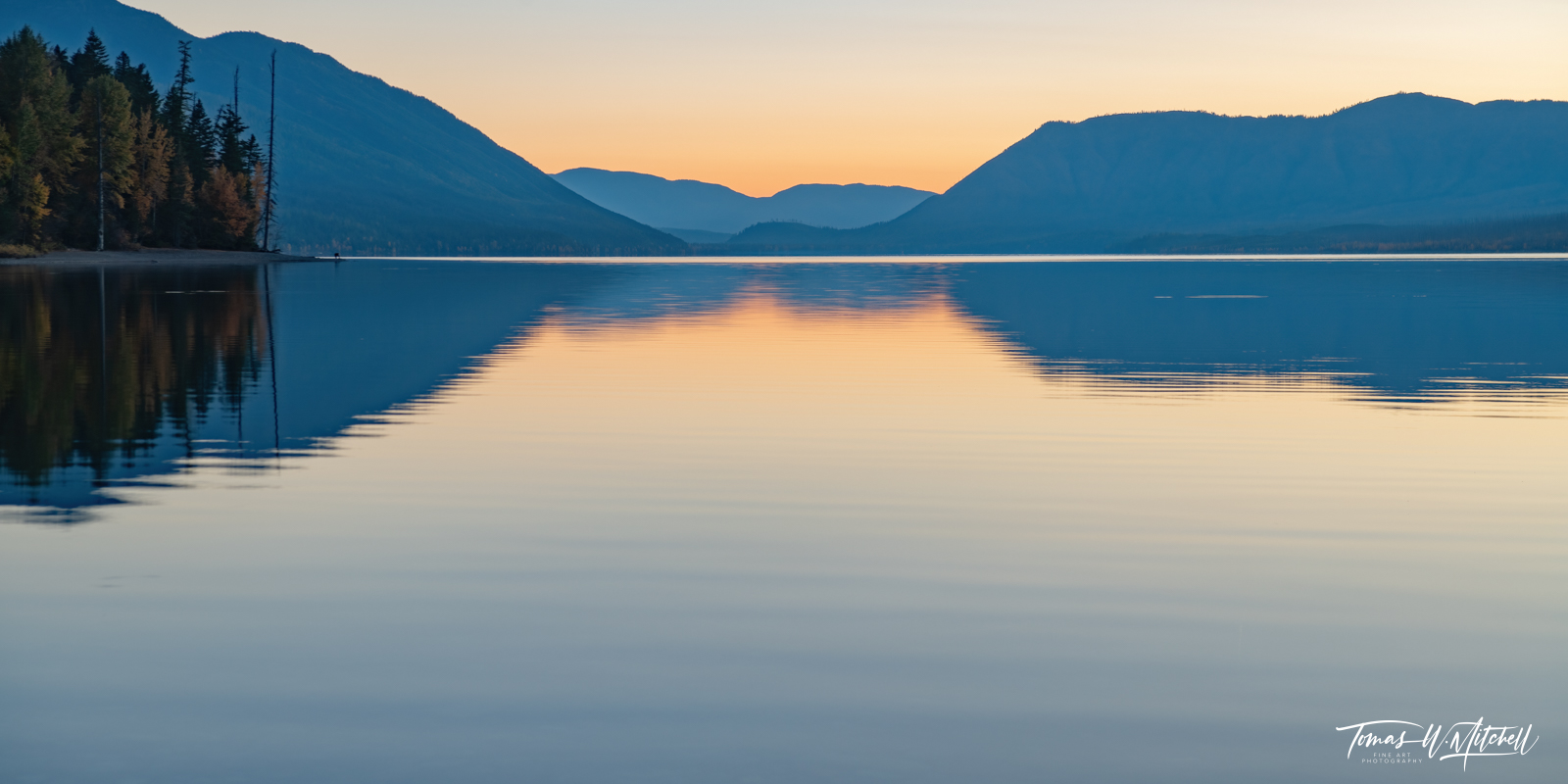
The best light for nature photography is about 1 hour before sunrise to about 1 hour after sunrise, and 1 hour before sunset to about 1 hour after sunset. Wait for the perfect moment when the light is right where you want it to be and you can get some amazing images.
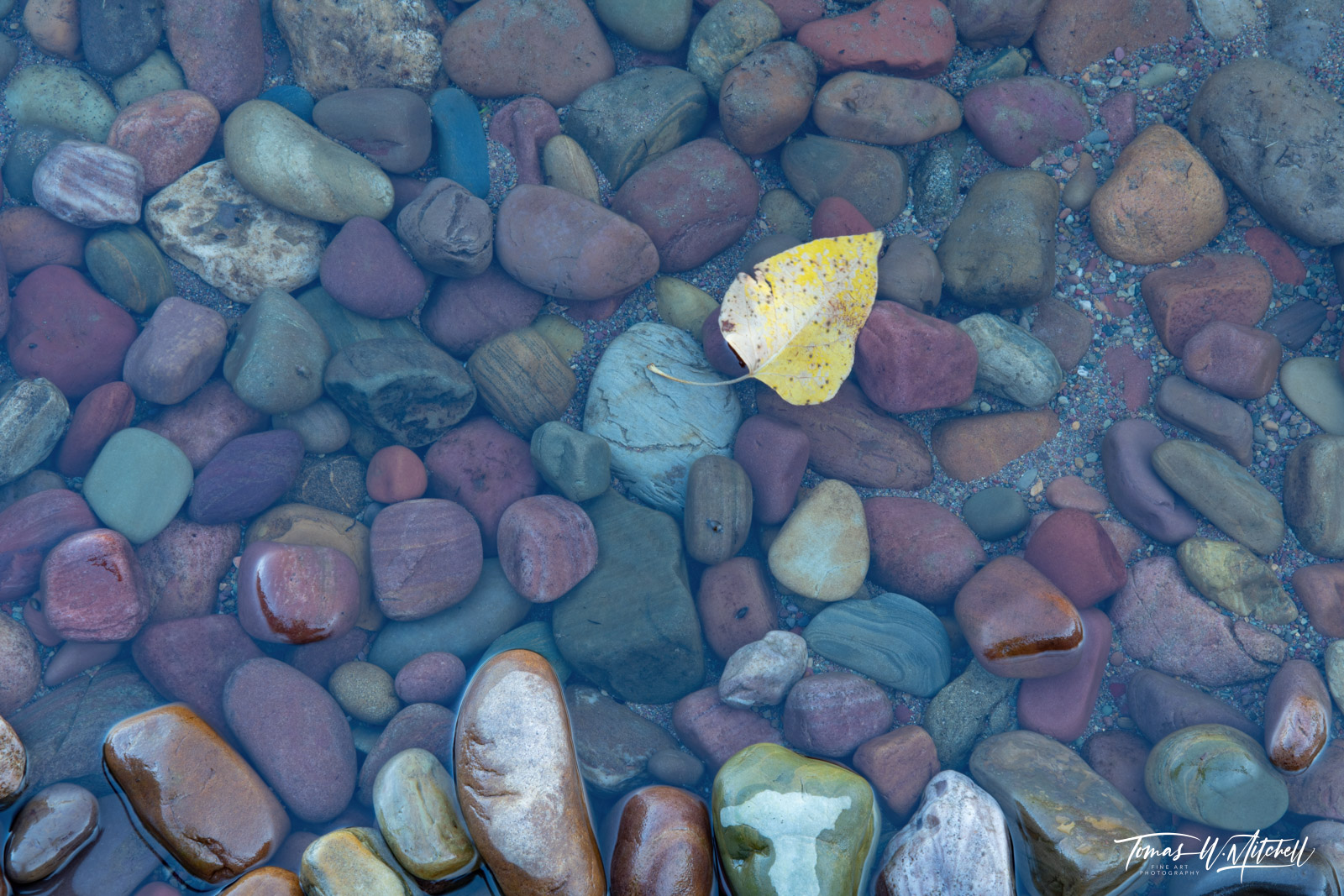
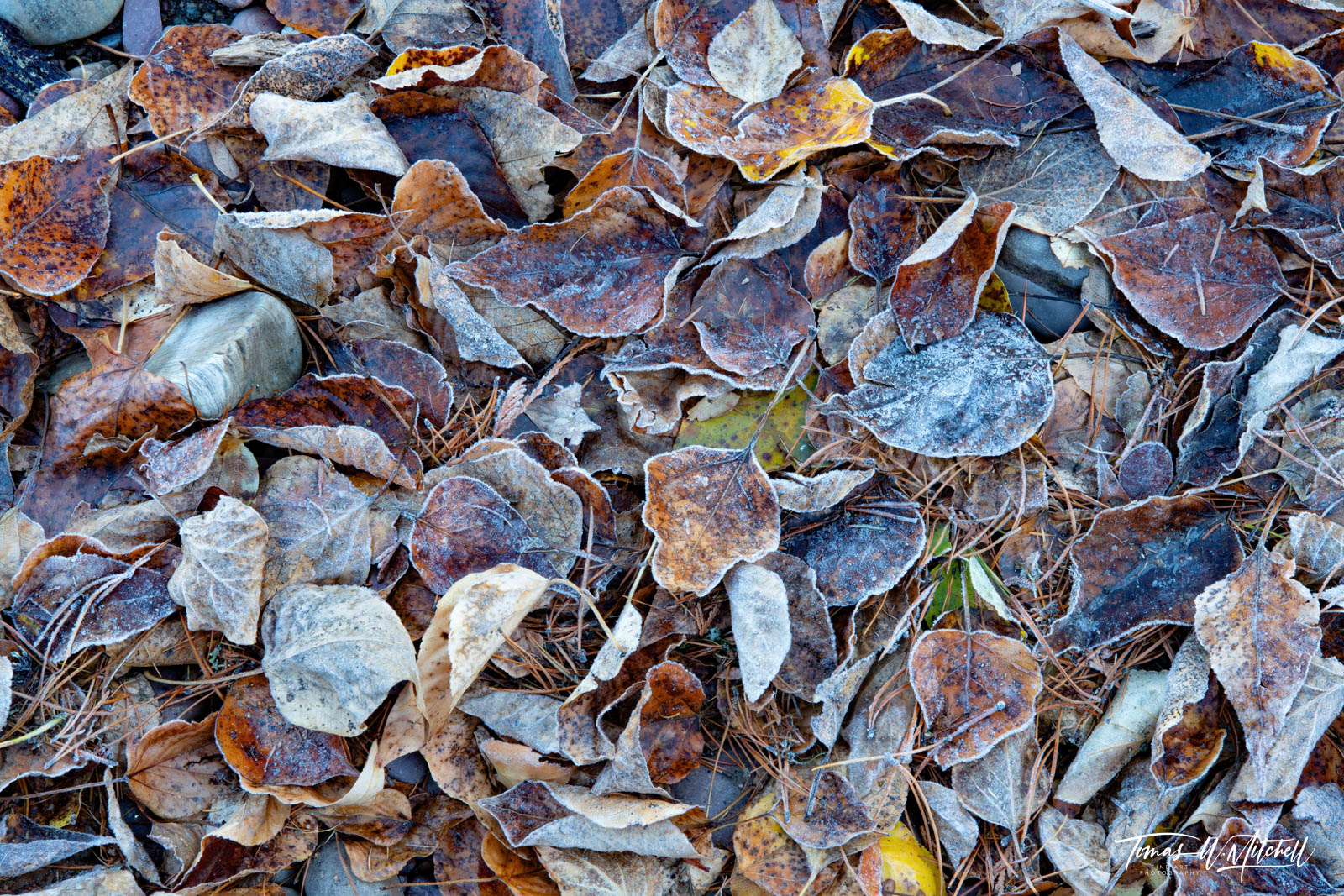
The landscapes in Glacier National Park are grand and sweeping but many times are hard to capture in camera, so concentrate on isolating specific areas of the grander scene and do not forget to look for the small close-up detail photographs that others may overlook.
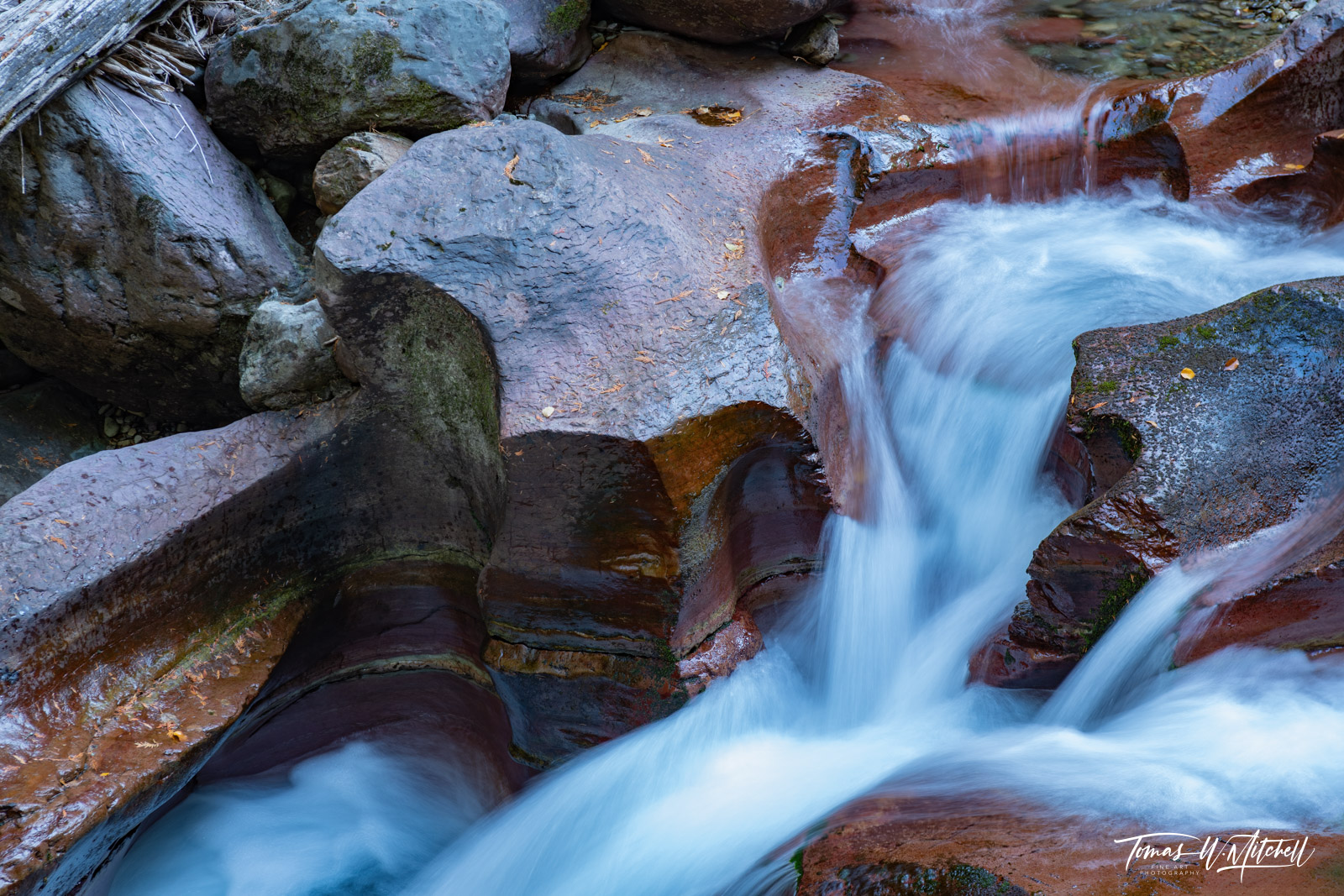
Another of my favorite places in the park is the Avalanche Lake Trail. This trail follows the Avalanche Gorge up the canyon and has spectacular views of the water-carved gorge surrounded by primaeval forests like something out of The Lord of the Rings.

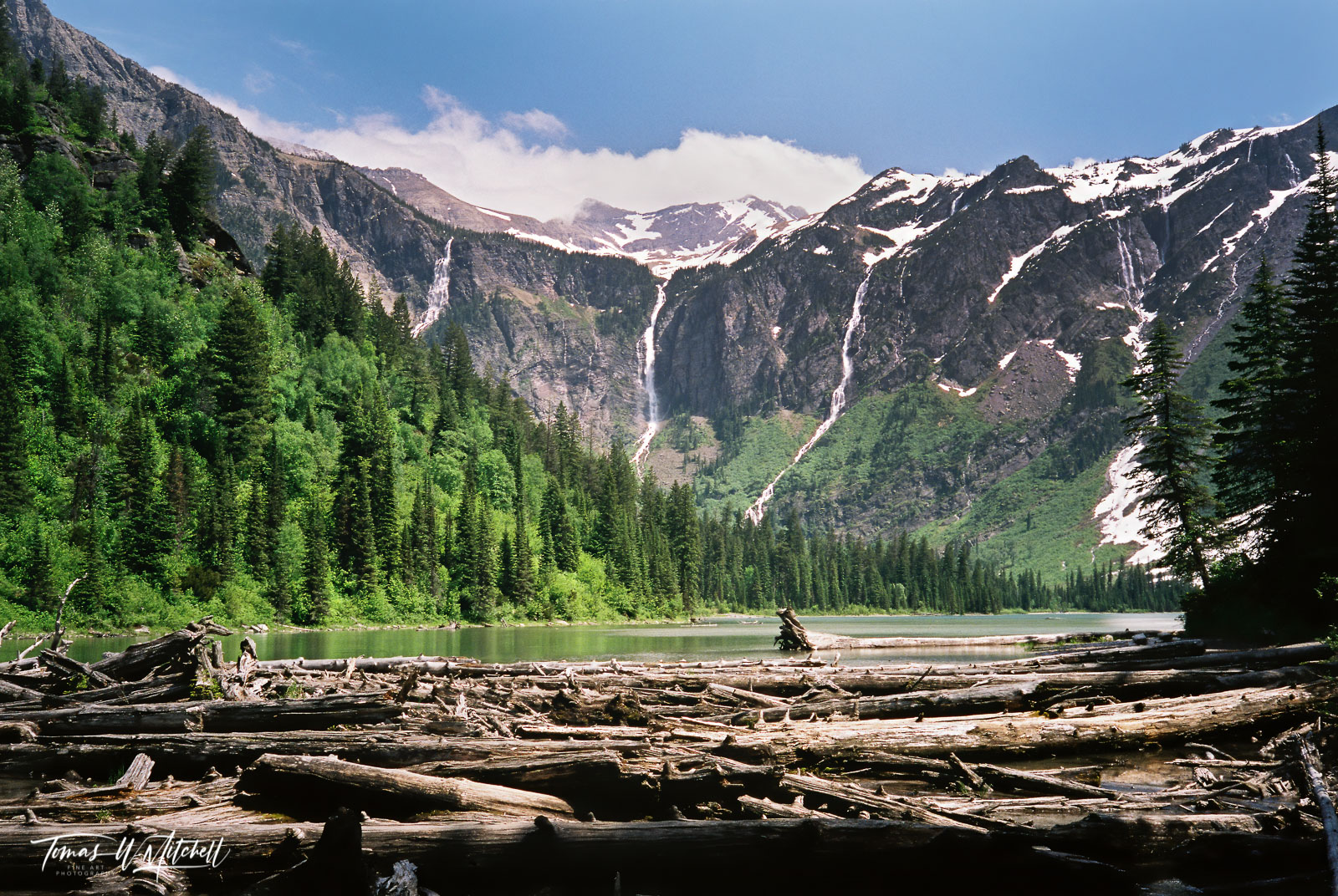
The Avalanche Lake Trail ends at Avalanche Lake which is beautiful and surrounded by waterfalls fed by the Sperry Glacier. Wildlife is abundant on this trail so watch for deer and black bear. I have seen both on the trail and the animals are not afraid of people at all so do not approach them but stay at a safe distance.
The Going-to-the-Sun Road is the only road that travels from one side of the park to the other. This road is narrow and windy and not for the faint of heart. You need a scheduled entry permit during peak summer and fall hours so plan accordingly.
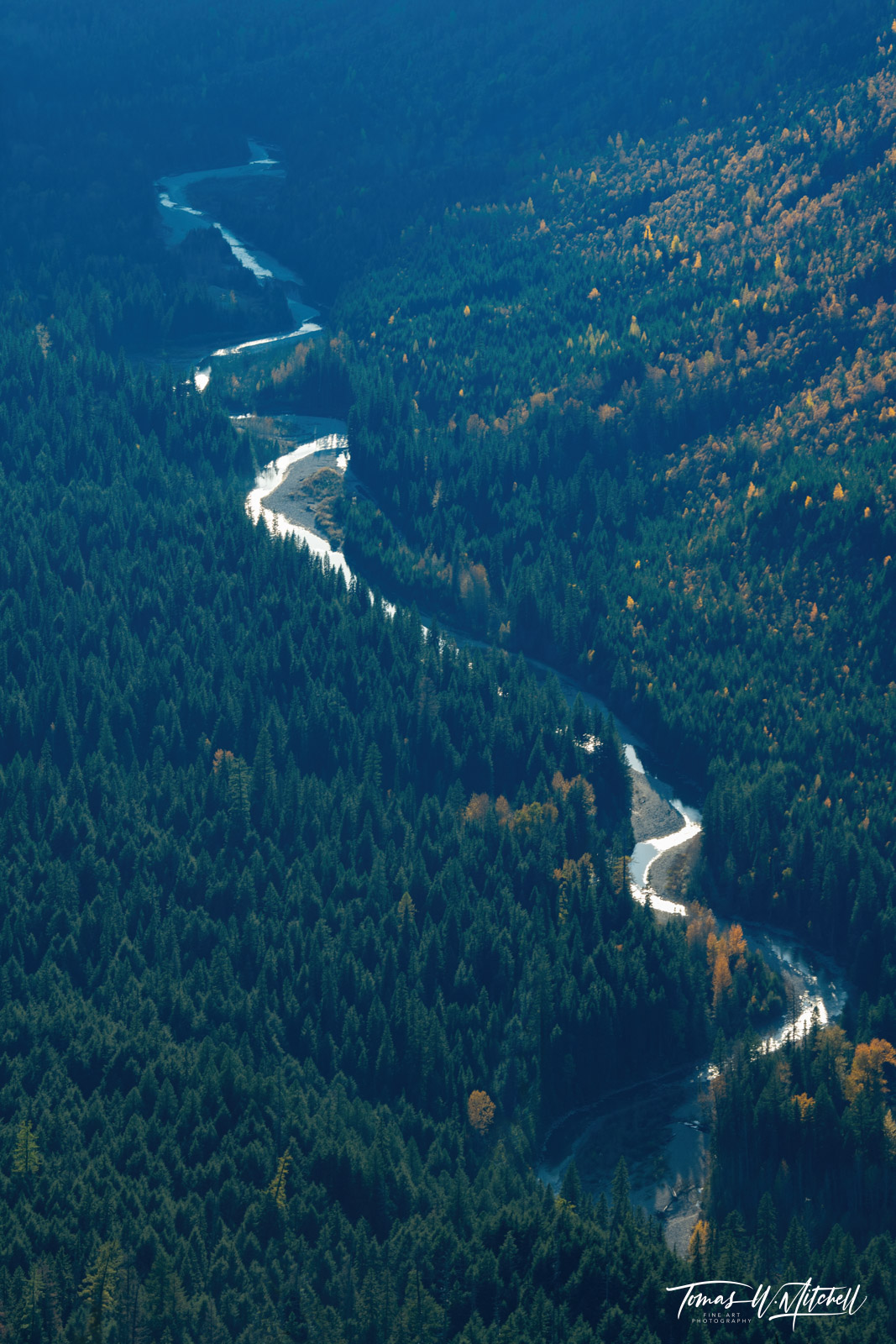
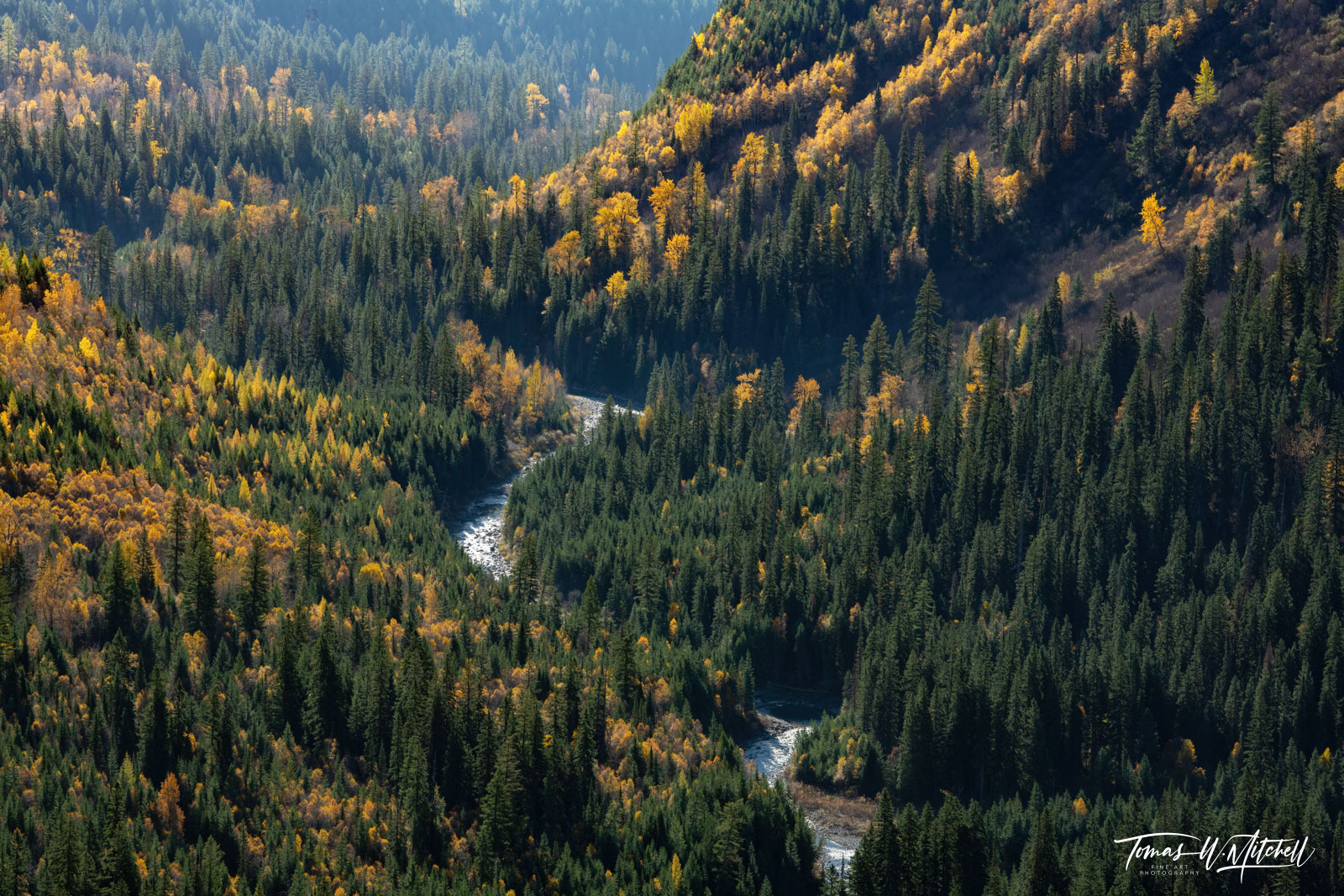
I like to scout up and down the Going-to-the-Sun Road during the middle of the day when the light is bad, looking for compositions I can come back to when the light is better. Truly exploring this road and every pullout gives you the perspectives you will need to take photographs you can be truly proud of. I also like taking a pair of binoculars with me and scanning the mountains sides for wildlife which can often be seen from the road.
While spending 5 days in the park in October of 2024 a solar storm created an aurora borealis that was a once in a lifetime photography opportunity. Learn to watch the weather and solar forecasts closely so you can be prepared for changes that give the best photographs.
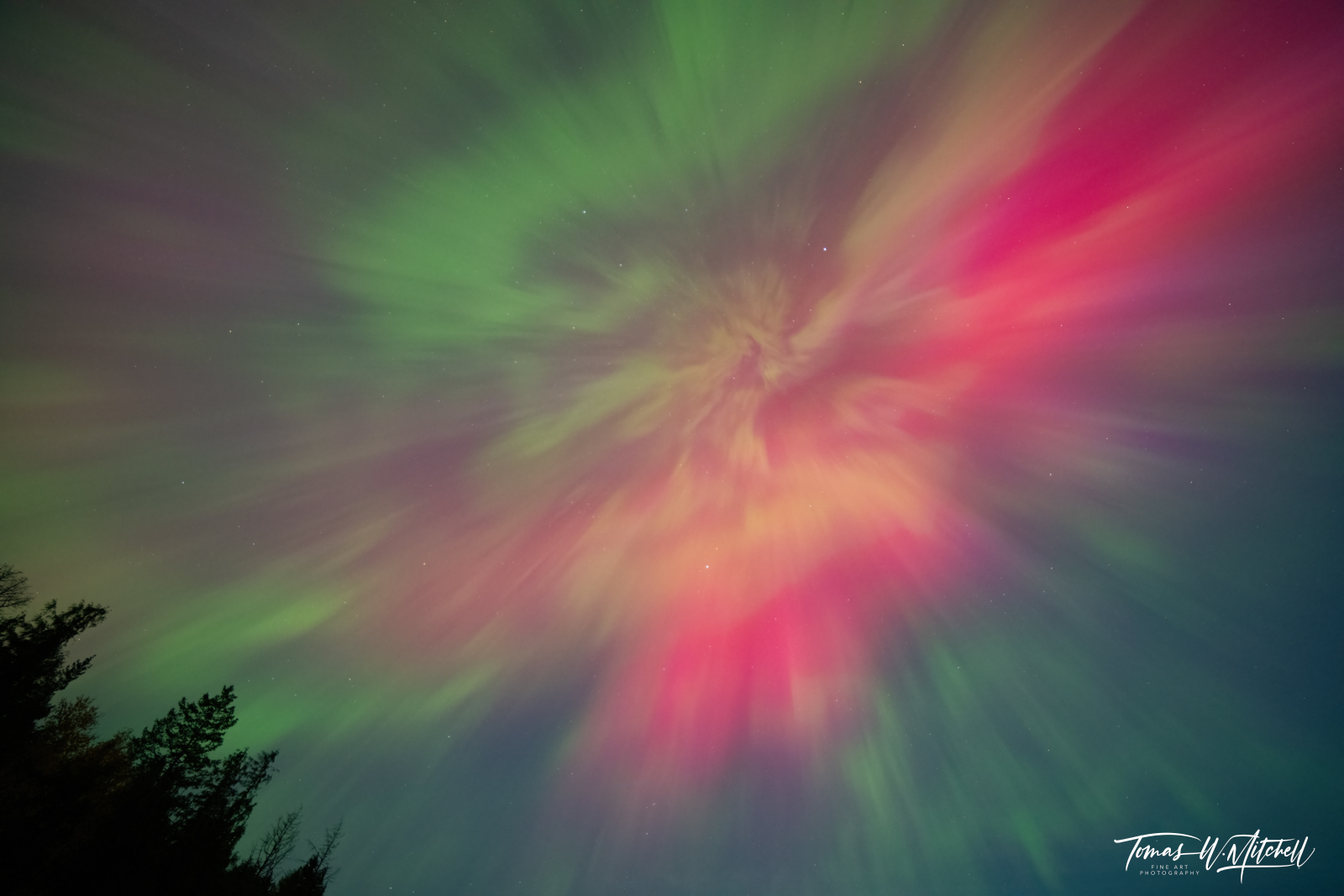

This night I was set up before sundown in the place I wanted to be, with the best exposure of the northwest sky and views up Lake McDonald. As the evening progressed the sky came alive with color that was better than any firework display I had ever seen. It was truly a spiritual experience. If you ever get the chance to see the Northern Lights do not pass it up.


As mentioned before, there is abundant wildlife in the park that can be easy to photograph. My favorite place to see mountain goats and bighorn sheep is on the Hidden Lake Overlook Trail. This trail also gives spectacular views of towering peaks, Hidden Lake, and the Sperry Glacier.
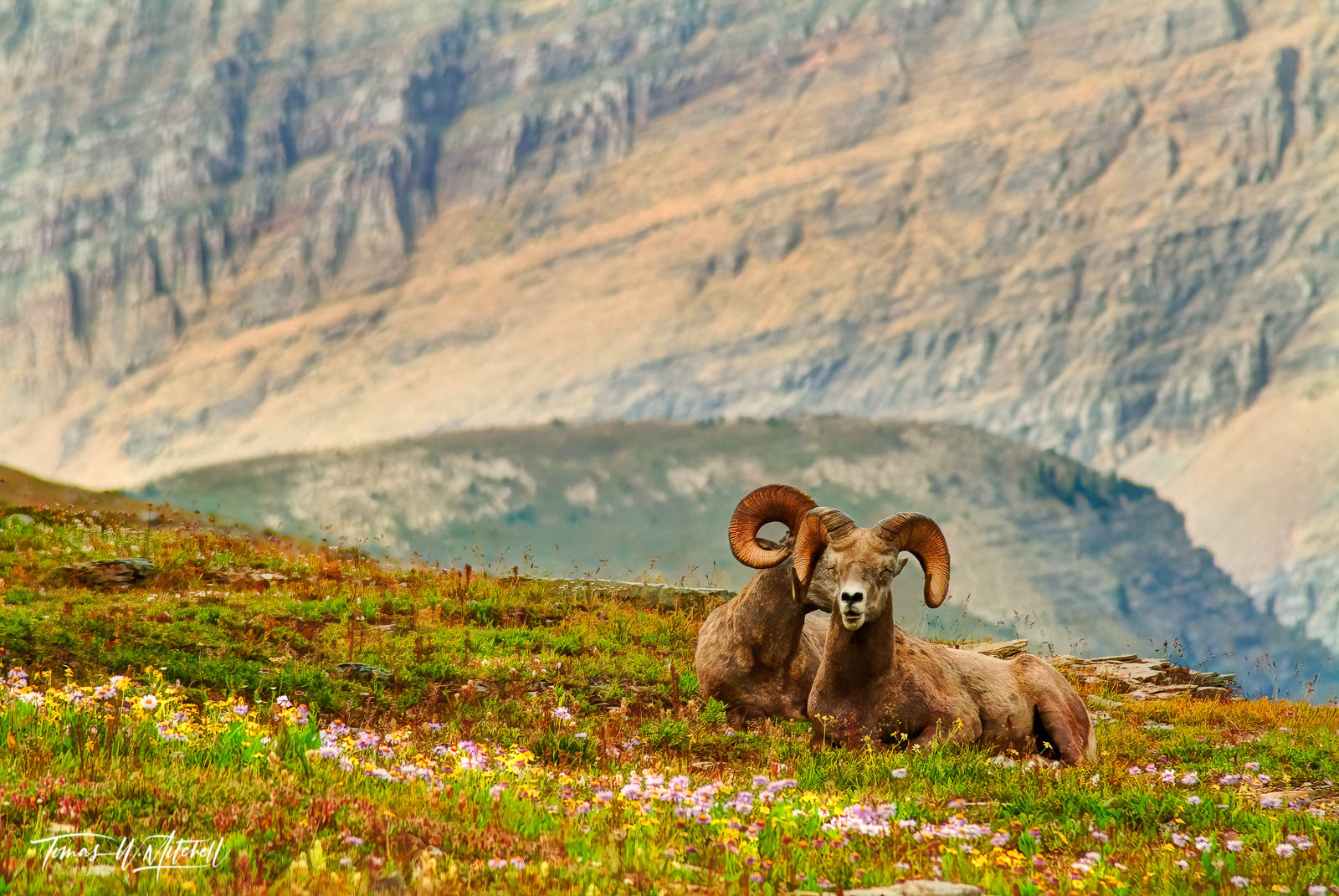
If you are planning on visiting Glacier National Park with your camera get out early, stay out late and spend the off hours hiking and exploring for that perfect photograph. Glacier is vast and the roads only cover a small area of the park but there are many wonderful views and sights from the road or within short hikes. If you like to backcountry hike and camp there are endless trails and views to explore. Your best photography options are to spend as much time in the park as you can, I prefer 5 days or more so I can really spend time exploring and finding the best compositions. Hotels are cheaper in Kalispell and it is only about half an hour from West entrance to the park. Remember, explore, explore and explore!
Happy Trails!