
What is Fine Art Nature Photography?
What is fine art photography? Since the development of photography in the early 1800's it has been considered a science or craft more than an art. When photography principles were established into a commercially viable process by Louis Daguerre, photography became commonly used as a documentary medium for historical events as well as as a form for advertising.
It was not until 1852 that photography began to come into its own as an art form when an exhibition was held at the House of the Society of Arts in London. Even then many purists would not consider photography anything more than a craft. This sentiment is still held today by many galleries and curators over 160 years later. By the late 1860's photographers such as Julia Margaret Cameron, Charles Lutwidge Dodgson, Oscar Gustave Rejlander and others had taken up photography as an art form creating portraits and still life images. Even then photography was used more for documentary journalism than it was a form of art.
Before the mid 1950's, gallery displays of fine art photography were simple prints pasted to whiteboard. Framing of photography work for display in galleries was considered bad taste. The practice of displaying just the print in galleries without any matte or frame continues to come back in style even today. I find this practice very interesting because anyone buying art to hang in their home or office will want the print protected to increase its lifespan.

In the 1970's "fine art photography" was dominated by genres of nudes, portraits, and landscapes. The master landscape photographer of the time was Ansel Adams who became a household name. He turned the lowly craft of landscape photography into fine art that collectors the world over sought to own. He also improved upon many darkroom practices such as dodging and burning and really turned these techniques into an art that brought the photographs to life. Dodging and burning are techniques of lightening or darkening specific areas of the print. When printing film in the darkroom this practice was done by manipulating how much light was allowed onto the paper during exposure. In today's digital age dodging and burning are done on the computer with programs such as Lightroom and Photoshop.

So, what makes a specific photograph a piece of fine art? Photography as art typically involves how well the image is composed, the subject matter, and the lighting on the subject. I also think that collectable fine art should be displayed in such a way as to increase the lifetime of the print. Traditional photographic prints, especially color prints, will fade when not kept in an archival setting. This issue of fading has always been problematic for color photography prints because the lifespan of the art when hung on a wall has been measured in decades. As the technology of printing photographs has shifted from the traditional Chromogenic process to pigment ink based mediums, the archival rating of the prints has increased. The shift away from silver halide technology has also increased the color gamut of the print, making for richer colors and contrast.
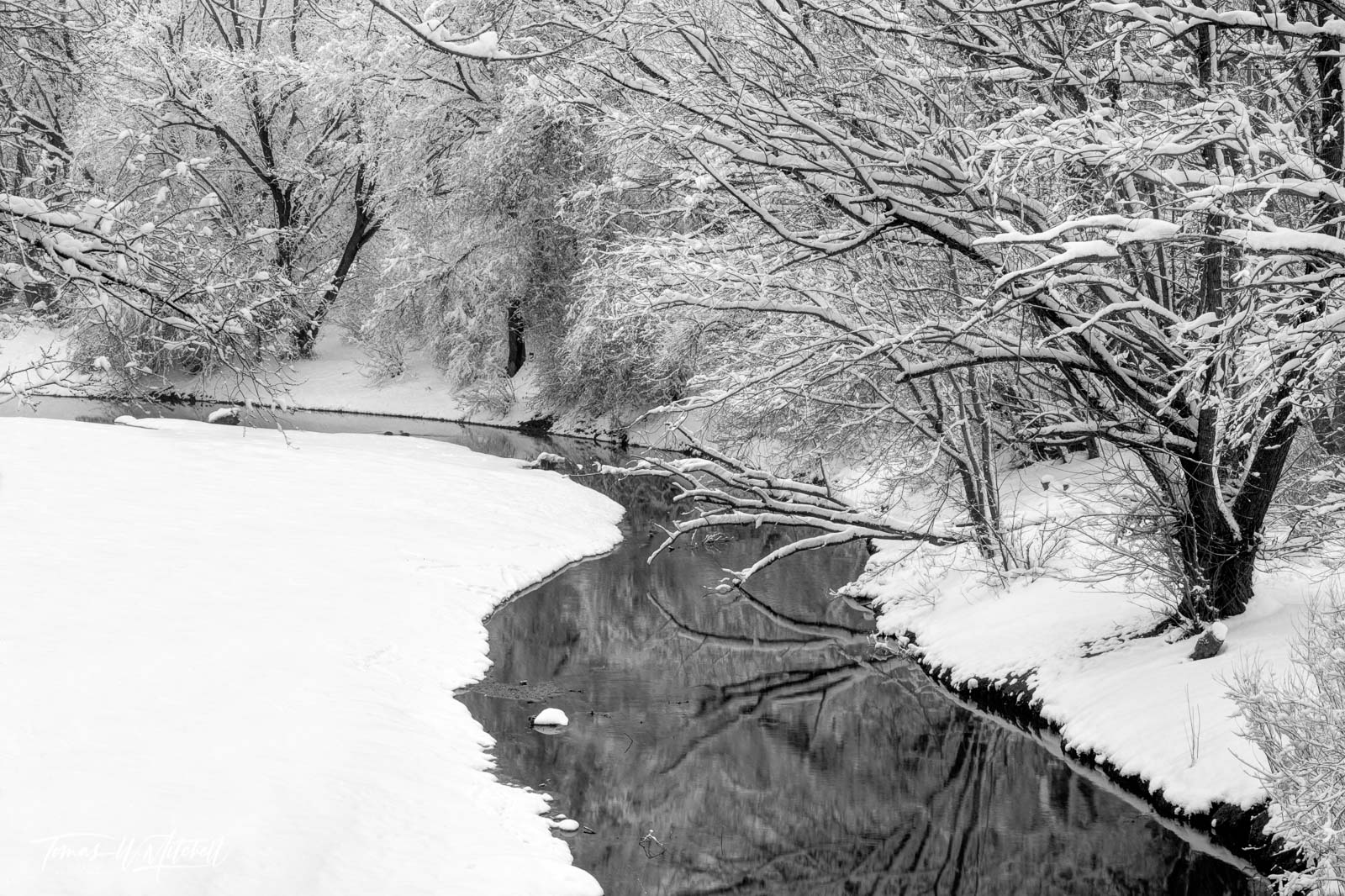
My fine art prints are created using state of the art archival pigment inks and paper and have a lifetime no fade guarantee. The Lumachrome and Acrylic prints are displayed behind acrylic glass that protects the print and adds to the archival rating. The Aluminum prints are protected with a UV and scratch resistant laminate and are mounted to a solid sheet of aluminum. These technologies of printing are not only truly archival but have amazing durability and reproduce my images in the truest form. I believe fine art photography prints should be collectable and last a lifetime no matter the viewing environment.
Photography has changed immensely in the last 20 years with the advancements in digital cameras and printing. There are three schools of thought when it comes to fine art photography, traditionalists, modernists and digital artists. Traditionalists try to stay true to the art by photographing with film. Modernists have adopted digital photography but limit manipulations and try to keep the image true to what they saw. Digital artists may do extensive editing and build images from numerous other images. I typically fall into the modernists category, but I drift into the world of digital art on occasion.
Regardless of how a photographer ultimately creates the art, I am of the opinion that it needs to be created from photographs the photographer has taken. Image blends and composites are all fine in my book, but I draw the line at artificial intelligence (AI).
Let us talk more about some modern techniques used to make fine art nature and landscape photographs. Modern digital photography has increased the possibilities of capturing scenes more easily than film photography could ever do. For instance with film you are limited to one frame and what will fit into it. With digital photography you can take multiple images of a scene to create a larger image file and capture the scene in panoramic. My image below, Spirit Dance, is actually nine vertical images of the scene, each one capturing a piece of what I was seeing. I then 'stitched' these nine images together in Adobe Lightroom and cropped the file to a 2:3 ratio image. Being able to do this process made it easier to capture the scene from where I was standing on the bridge. This technique also makes it possible for me to enlarge this image up to 60 x 90 inches with extremely sharp detail.
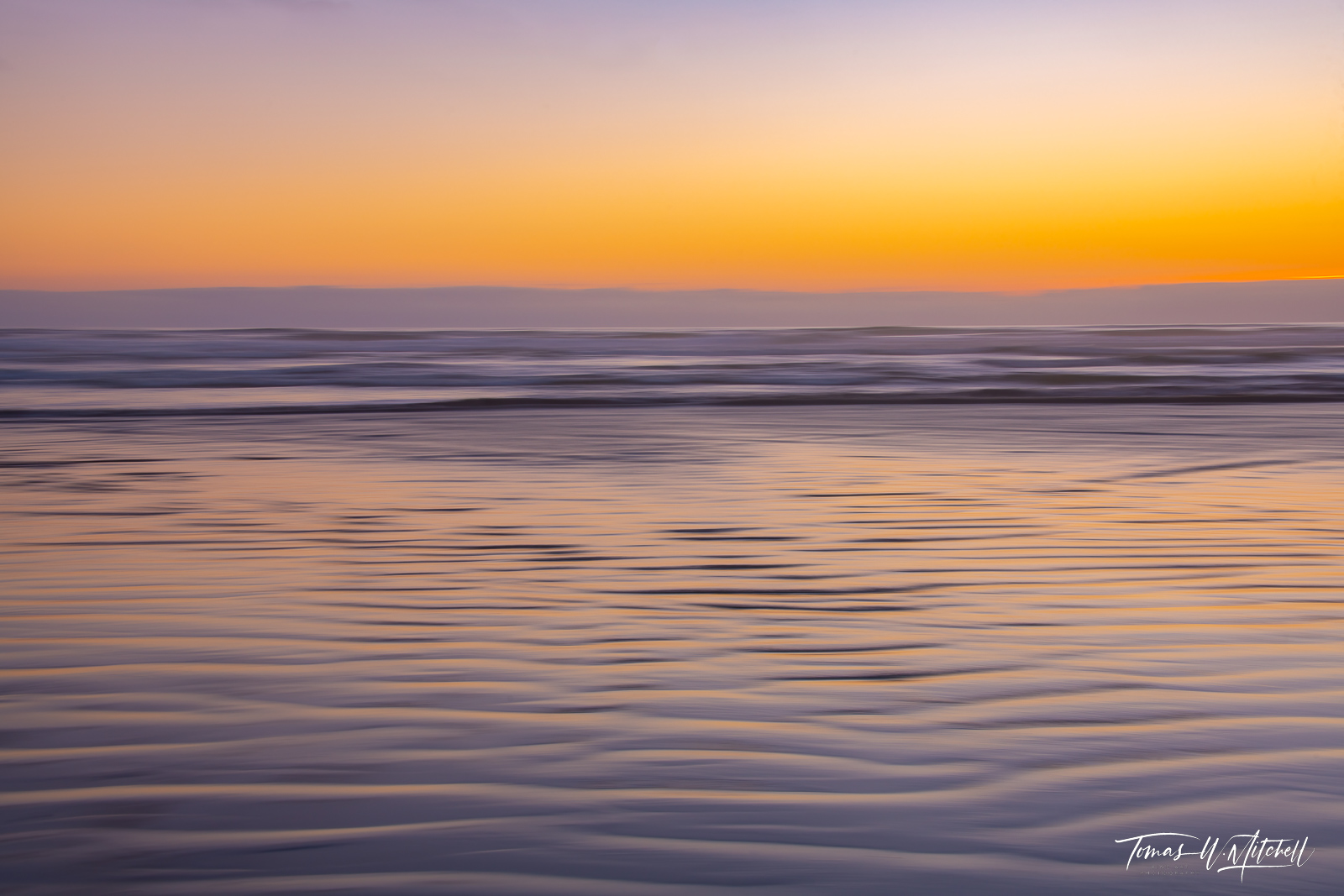
Another technique used by many fine art photographers is known as Intentional Camera Movement or ICM. For the image below I used ICM to blur the scene making it look like a painting. The word photography comes from the Greek roots of "photo", meaning light, and "graphy", meaning to draw. Photography means to draw with light and I think ICM fits this meaning perfectly.
One of my favorite camera techniques for creating abstract fine art photography is similar to ICM in that it involves moving the camera but in this case you follow a moving object. My image below, The Ghost Stallion, is a classic example of motion blur. Like ICM you use a slower shutter speed but as you move the camera you try to keep the moving subject in the center of the frame. This technique can give an amazing painted look that truly shows the movement of the subject.

Another advancement in fine art photography that digital has made more common is the practice of combining more than one image. This technique begins to take us into digital art more than photography but I try to keep it minimal when combining multiple images. For the images below I was not happy with the bland skies, so I replaced both skies with images from my archives.


Though I dabble in all the techniques of modern photography and try to increase my skill every day, I find it best to keep things natural and simple. As a photographer nature is my canvas, my brush is the light and my color pallet is the changing seasons.
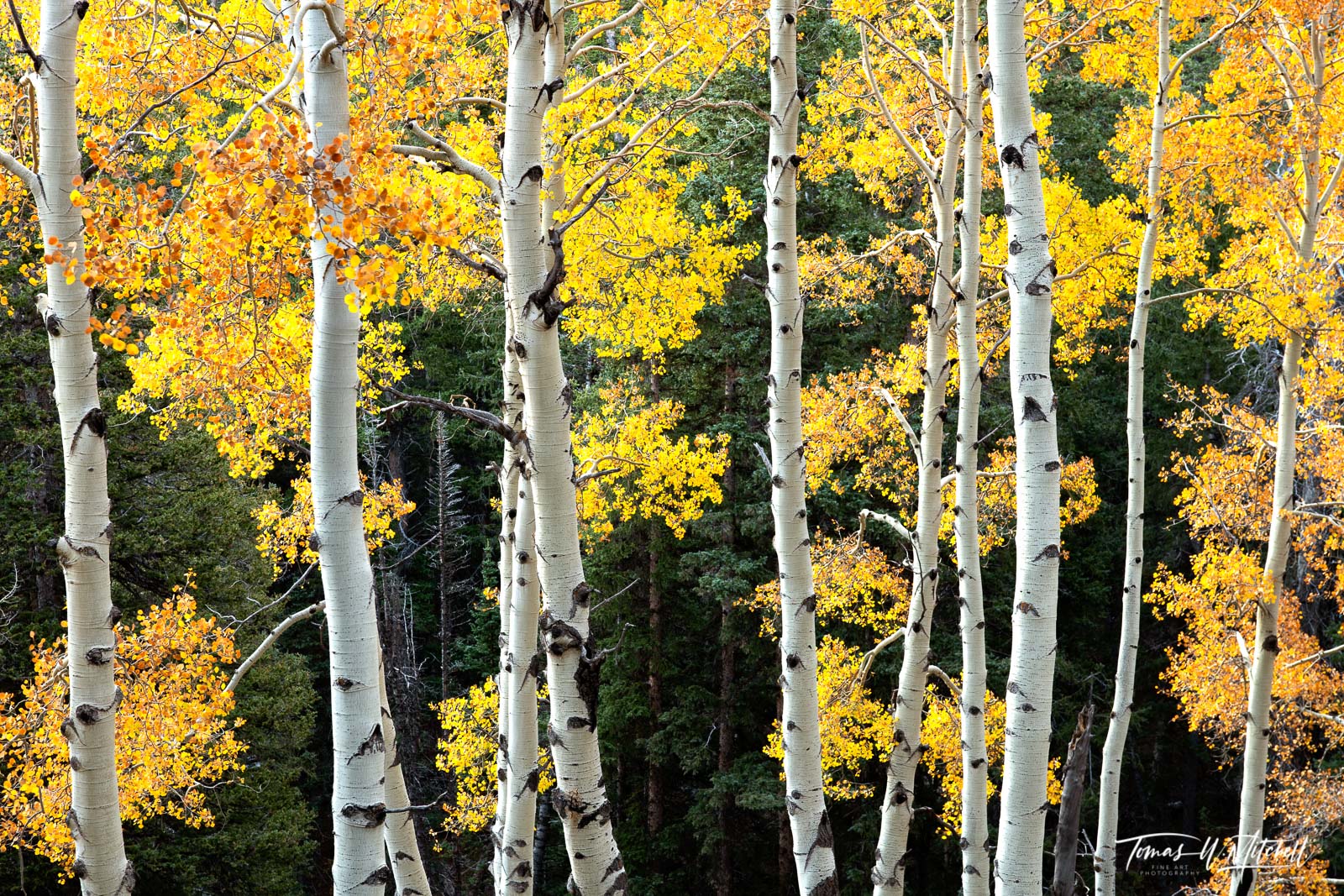
No matter the in-camera technique or post processing magic the photographer uses, fine art photography should invoke emotions in the viewer. The art should draw the viewer in, keep their eyes exploring the image, and make the viewer want to step through the image to enter a world of wonder.
Fine art has always been subjective but I think photographic fine art should be done with skill and taste. The prints should be able to be displayed without fear of fading or color loss. Fine art photography prints should last a lifetime and be enjoyed for generations. My photographic prints are guaranteed for life to not fade even when placed in bright sunny rooms. All my prints come with hanging hardware and can be framed if desired.
Bring a piece of nature into your home or office. Get lost in captivating images of wild places and beautiful scenes. Let the art speak about who you are and how you view the world in all its beauty and grandeur.